
KPIs are often misused, or are established and forgotten. We can help you to develop, select and test your key performance indicators, ensuring that they adequately measure the process, enabling staff to take corrective action as required.
Understanding KPIs
In our experience, key performance indicators (KPIs) are an often misunderstood part of an organisation’s arsenal of control measures. While the adage ‘you get what you measure’ does apply to performance indicators, they are sometimes overused to the point where an organisation labels a basket of perhaps two dozen measures as ‘key’. In addition to this, there are a few other common issues with key performance indicators that we often encounter:
Not measuring processes: a performance indicator is something that measures the outcome of a process—with a process being a series of repeatable steps designed to achieve a particular outcome. Measuring the outcome of a discrete one-off event is not a performance indicator, it’s a target.
Imprecise Definitions: KPIs use a series of terms to define what they’re measuring. If those terms don’t have the exact same definition for everyone, they risk being misinterpreted.
Misalignment: when different parts of the business are measured by competing KPIs, chaos results. A retail store aiming to keep the number of stockouts per month to a minimum is always going to end up in conflict with a warehouse trying to minimise stock on hand.
Change Factory can help you to get your KPIs under control, by:
Clarifying and formalising the objectives of measurement
Developing new or refining existing KPIs
Ensuring your KPIs are aligned, in order to encourage the right outcomes from all parts of your business
Building in review mechanisms to ensure that today’s basket of KPIs remains relevant in the future
Providing support and training to staff to help them work with KPIs
Making sure that your formal KPIs aren’t being undermined or overridden by informal ones.
For more information on how we can help you with your KPIs, contact us today.

Good project managers possess a number of skills such as stakeholder management, planning, and risk management. We can help you manage your projects, or we can train your existing resources.
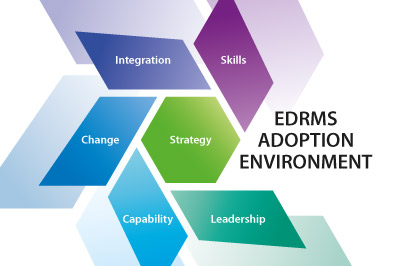
A successful Electronic Document and Records Management (EDRMS) adoption programme can reduce risk and improve productivity. We can help you change people’s attitudes and behaviour in relation to recordkeeping.
Not everyone is good at delivering great customer service. We can help you create standards of service and develop a customer focused culture in your organisation, which encourages the right behaviours.
Policy documentation should clearly communicate information to readers, to provide guidance for employee behaviour. We can help you develop policies that are relevant, and appropriate to your current operating environment.
An organisation’s culture can be examined through its routines, rituals, stories, symbols, control systems, power structures and organisational structure. We can help you identify your culture, and compare the results to your desired state.
I work with boards across many industries, and I’m always surprised at how often board members and boards as a whole do not understand their accountability. It is …
Human resource (HR) key performance indicators (KPIs) are as important – if not more important – than workplace key performance indicators of labour and financial productivity. Despite a …
Irrelevance The goals set are not relevant to the business, or to a section of the business. For example, a gender goal is set on diversity of people involved in …
Transforming what seems perfectly okay Most transformation projects are designed to change organisational habits and practices and to improve or streamline processes. The transformation aims to modify behaviours …
We noticed you're visiting from United States (US). We've updated our prices to United States (US) dollar for your shopping convenience. Use Australian dollar instead.Dismiss